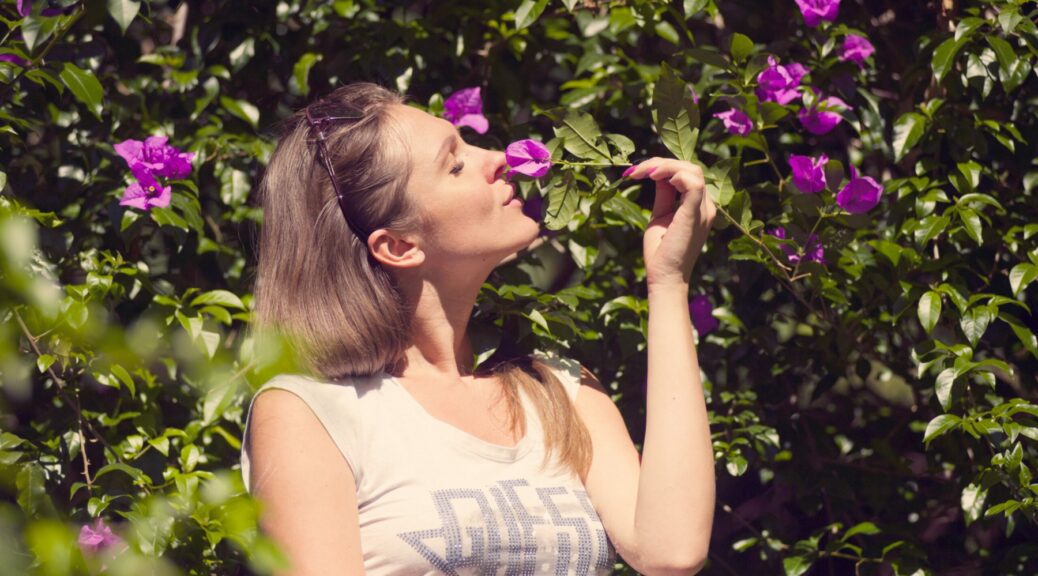
How To Cure Anosmia Naturally : A Realistic Path to Smell Recovery
Losing your sense of smell, known as anosmia, can be unsettling. Everyday experiences like enjoying food, detecting pleasant scents, or even noticing danger signals can suddenly feel different. While recovery depends on the underlying cause, there are several gentle, natural approaches that may help support your body’s healing process and encourage your sense of smell to return.
What is Anosmia?
Anosmia is the partial or complete loss of the ability to smell. It can be temporary or long-term and may result from things like viral infections (including colds or COVID-19), sinus issues, allergies, head injuries, or inflammation in the nasal passages. In some cases, it improves on its own over time, while in others, it requires targeted treatment.
What Can Cause Loss of Smell?
Your sense of smell relies on a delicate pathway between your nasal passages and brain. When this system is disrupted, smell signals may not be processed properly. Common triggers include:
- Viral infections such as colds, flu, or COVID-19
- Sinus inflammation or allergies
- Nasal polyps or blocked airways
- Head trauma or injury
- Exposure to irritants or environmental pollutants
Understanding the cause is an important first step in choosing the right approach for recovery.
Natural Ways to Support Smell Recovery
While there’s no instant “cure,” many people find that gentle at-home practices can help stimulate and retrain the sense of smell over time.
1. Smell Training (Olfactory Training)
One of the most widely recommended approaches is smell training. This involves regularly smelling a small set of strong, distinct scents (such as citrus, eucalyptus, cloves, or rose) to gently “retrain” the brain’s smell pathways. Consistency is key, and improvements are often gradual.
2. Essential Oils and Aromatic Exposure
Scents like peppermint, eucalyptus, and citrus oils may help activate the olfactory system. You can use them in a diffuser or gently inhale them during daily routines as part of smell training.
3. Nasal Support and Hydration
Keeping nasal passages clear and healthy can make a difference. This may include staying well hydrated, using saline rinses, and supporting overall nasal comfort to reduce congestion and inflammation.
4. Gentle Dietary Support
Some people find that warming, aromatic foods like ginger or herbal teas can help stimulate sensory pathways and support overall nasal wellness.
Important to Remember
Recovery from anosmia varies widely from person to person. For some, smell returns within weeks; for others, it takes longer or requires medical guidance. If loss of smell persists, it’s always a good idea to speak with a healthcare professional or ENT specialist to rule out underlying conditions.
A Personal Perspective
If you’re navigating this experience, you may find comfort in reading a real, lived journey of recovery. Scent Reawakened – How Ayurveda Restored My Lost Sense of Smell shares one person’s path through anosmia and how holistic practices, mindset shifts, and Ayurvedic support played a role in restoring the sense of smell.
It’s not about quick fixes, but about exploring what’s possible when the body is supported gently and consistently.
Share Your Experience
If you’ve experienced anosmia yourself, your story may help someone else feel less alone in theirs. Recovery journeys can look very different from person to person—what worked for one may not work for another—but shared experiences often reveal helpful patterns, small breakthroughs, and practical ideas worth trying. If you feel comfortable, consider sharing what helped you, what didn’t, or how your sense of smell returned over time. Your experience could offer encouragement, hope, or a useful direction for someone still navigating their own recovery.
2 thoughts on “How To Cure Anosmia Naturally : A Realistic Path to Smell Recovery”
Thank you for publishing this! I recently had a concussion with fractured skull. I noticed while lying waiting for the paramedics that I couldn’t smell anything but it wasn’t forefront in my mind. It was 5 days later I realized it was still gone, and knew it had happened immediately upon hitting my head (and had tested for Covid). It’s now 4 weeks later, last night I searched “concussion loss of smell” and felt low afterward as articles said you never recover the sense. I realized today I should search instead “How to heal anosmia”, and your article came up first. I love your subhead about “the fastest way” and laughed at the answer. Thanks again I have hope now and will continue to research and take action on methods to cure.
Hi Kate, thank you so much for writing. I´m happy you read my article. Please don´t give up. Keep testing alternative remedies until you recover your sense of smell. Ayurveda has worked wonderfully for me, but you can also try acupuncture, aromatherapy, etc. Good luck, and please do let me know how it goes.