Natural Remedies For Hot Flashes – Simple Ways To Find Relief
Hot flashes are pretty much the classic menopause symptom, and honestly, they can show up out of nowhere and leave you sweaty, flushed, and uncomfortable. The good news is you don’t actually have to just deal with them and hope for the best. Simple changes to your food, everyday habits, how you handle stress, and even your sleeping environment can really help bring some relief. For those who are interested in more traditional approaches, Ayurveda, the traditional Indian system of health and wellness has a few time-tested tips focused on cooling and balancing the body’s heat, which lots of people find worth checking out. In this article you will find natural remedies for hot flashes.
So, Why Do Hot Flashes Happen?
Hot flashes happen when the body’s internal thermostat becomes a little more unpredictable, mainly due to changes in estrogen. While hot flashes are most common during menopause, some people start having them in the years before menopause actually sets in. These sudden waves of heat can last for just seconds or stick around for several minutes, and often come with a racing heart, redness, and that unmistakable sweat.
Trying to tough it out isn’t your only option. Since hot flashes can have a bunch of triggers, a little curiosity and a few mindful tweaks to your daily routine can cut down the number and reduce the intensity. Even just tracking what’s going on for a week or two can make a difference. That’s where small changes and sometimes ancient wisdom, like Ayurveda, can help cool things down and give you tools to handle these moments more comfortably.
1. Find Your Hot Flash Triggers
Hot flashes are often set off by certain foods, drinks, or situations. Everyone’s different, but the usual suspects include:
- Spicy foods
- Alcohol
- Caffeine
- Stress
- Hot rooms
- Heavy or synthetic clothing
I’ve found that tracking hot flashes for a week with a simple journal or tracker app is a pretty handy way to spot a pattern. It’s surprising how often one or two triggers stand out. You can download my free Menopause Tracker here to get started. This step alone puts you in the driver’s seat and makes it way easier to recognize and avoid things that fire up those flushes.
Sometimes, hot flashes might seem random, but keeping notes often reveals small habits or foods that act as triggers. Staying consistent with tracking, even if it’s just jotting down meal notes or emotional states, helps you spot repeat offenders, so you can make smarter choices for your own comfort.
2. Choose Cooling Foods
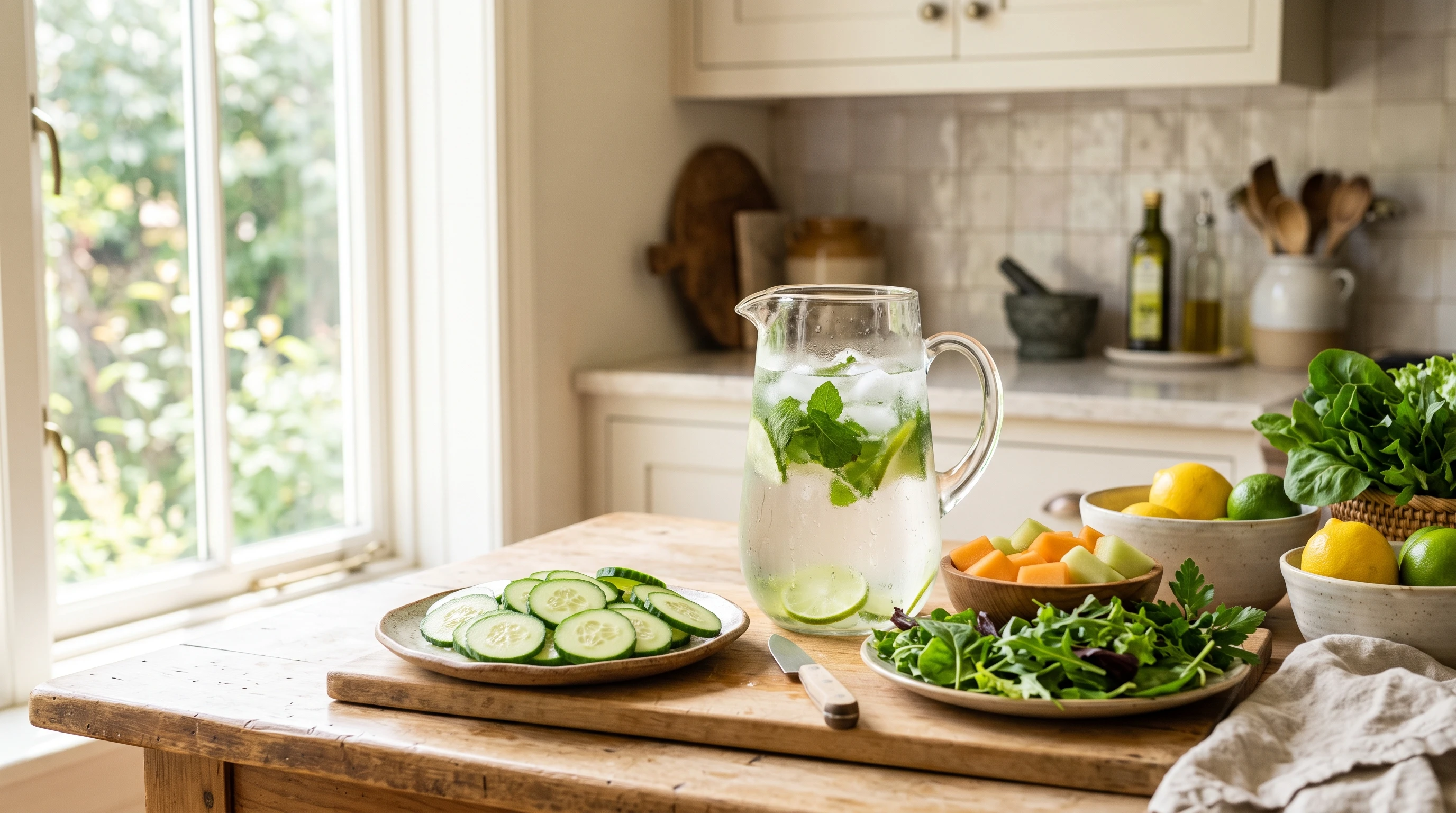
In Ayurveda, there’s an idea that the body’s “Pitta” (the qualities of heat, intensity, and sharpness) can get aggravated, especially around menopause. Traditionally, Ayurveda recommends focusing on foods that hydrate and cool you off inside and out.
Foods to try adding to your routine include:
- Cucumber
- Melon (like watermelon and cantaloupe)
- Pears
- Leafy greens
- Cilantro
- Coconut (fresh or as water)
- Pomegranate
At the same time, you might want to scale back on very spicy, fried, or heavy foods if you notice they trigger or worsen your symptoms. Cooked meals that aren’t overly hot or spicy tend to sit more gently with most people experiencing flashes. Prioritizing fruits and vegetables with high water content not only keeps you hydrated, but can also help your skin and overall mood during menopause.
Ayurvedic tip: Cooling, juicy, and lightly spiced foods are traditionally encouraged whenever Pitta is high. Keep those crisp veggies and sweet fruits in the rotation when you’re looking to cool down from the inside out. If you enjoy experimenting, chilled herbal teas made with hibiscus or mint can also feel refreshing.
3. Cool Your Environment
External triggers can pile on fast, but some practical steps keep things more comfortable at home and on the go. Here’s what’s worked for me and others I’ve talked with:
- Wear breathable fabrics like cotton and linen in layers
- Keep your bedroom cool, or use a fan to circulate air
- Sleep with lightweight sheets or bedding
- Keep a bottle of water close by for quick sips
- Use a portable fan or cooling towel during hot spells at night
These small adjustments don’t take much effort, but they really add up, especially at night or in the middle of a busy day. You might also experiment with cooling gel pillows or mattress pads. Ensuring your workspace or living areas have adequate air circulation helps take the edge off unexpected flashes and can keep you more comfortable throughout your day.
4. Try Cooling Breathwork
Breathwork is a super useful tool for dealing with hot flashes, and Sheetali (pronounced “SHEE-ta-lee”) breathing is a favorite from Ayurvedic and yoga traditions. It’s meant to cool and calm the body and mind whenever things feel a bit heated or overwhelming.
You really don’t need to be an expert to try it. Here’s how you can do Sheetali Breath in three easy steps:
- Roll your tongue into a tube (or just purse your lips if rolling isn’t comfortable for you).
- Inhale slowly and deeply through your mouth, feeling the cool air pass over your tongue.
- Close your mouth, exhale gently through your nose. Repeat for 5 to 10 breaths, or until you feel a bit more at ease.
I keep this one in my back pocket for both hot flashes and any stressful moment that needs a reset. Even just a few breaths can make a difference. Some people use other calming breathwork techniques, such as alternate nostril breathing, to help with both hot flashes and general well-being. Find what feels right for you and make it part of your toolkit for staying comfortable.
5. Calm Your Nervous System
While menopause itself isn’t caused by stress, feeling stressed can make hot flashes feel even more intense. Calming your nervous system, even for five minutes a day, can help ease both the physical and emotional roller coaster.
- Try five minutes of slow, diaphragmatic breathing (in through your nose, out through your mouth)
- Do a few gentle yoga stretches
- Take a short walk outdoors. Natural surroundings bring a calming, cooling vibe
- Spend a few minutes on meditation, even using a guided recording
- Create a calming bedtime routine (think herbal tea, no screens, dim lights)
Ayurveda teaches that the “Vata” energy, which manages movement and change, often gets thrown off during times of transition like menopause. Regular routines, grounding foods, and soothing activities help restore a sense of calm. I find it pays to build at least one small calming practice into your day. You don’t need to spend a long time; just enough to check in and unwind makes a difference in how you feel overall.
Some people find relief through journaling, spending time with supportive friends and family, or even listening to calming music. The important thing is to prioritize yourself for a few minutes each day.
6. Don’t Forget Sleep
Flashes and night sweats can interrupt sleep, making everything feel tougher the next day. Protecting your rest doesn’t have to be a massive overhaul; just a few simple tweaks make a difference:
- Keep your bedroom cool at night (open a window, use a fan, or set the thermostat lower)
- Choose breathable sleepwear. Loose, light cotton or moisturising fabrics work best
- Avoid caffeine and big meals late in the day
- Unwind for a bit before bed (maybe a book or calming playlist instead of your phone)
- Stick to a regular bedtime routine, which can help signal your body that it’s time for sleep
The aim is to minimize disruptions and make it easier for your body to get back into a restful rhythm. If you struggle to fall back asleep after a hot flash, try slow breathing or gentle stretching rather than stressing about it. Sometimes, a light splash of cool water on your face or hands is enough to make it easier to settle back down.
7. What About Herbs?
Herbs come up a lot in conversations about menopause. Some, like shatavari and ashwagandha, are traditionally used in Ayurveda to support hormonal balance and resilience. Other favorites in Western herbalism include black cohosh and sage. Research on how herbs help with hot flashes is still evolving, and not every remedy works for every person. Some herbs can also interact with medications, so it’s a smart move to check with a healthcare professional before starting anything new.
For those who prefer an herbal route, gentle infusions and teas can feel comforting. Incorporating calming herbal teas such as chamomile, peppermint, or tulsi (holy basil) may also provide extra comfort during menopause. But the real foundation for hot flash relief still comes from cooling foods, stress reduction, and making small daily adjustments that support your whole system.
Small Steps Make a Big Difference
No need to change your entire life overnight. Start by noticing your triggers, working in a few more cooling foods, lightening up your bedroom and wardrobe, and trying out some breathwork whenever you get overheated. Menopause is a big transition, but it’s not a sign that your body is broken. You’ve got plenty of options for making this chapter a lot more comfortable, and even a little empowering.
Want more natural ways to make menopause smoother? Take a look at Menopause, Naturally and don’t forget to grab your free Menopause Tracker to keep tabs on your symptoms, progress, and what really works for you. Remember, every step counts, and giving yourself grace during this time makes a huge difference.