Why Do Menopausal Women Wake Up At 3am and Helpful Tips
Waking up around 3am is something that so many women going through menopause can relate to. Nearly everyone sees it happening, yet it’s rarely talked about in any real detail. The most frustrating part is that you can feel utterly exhausted when you go to bed, but hours later, you’re wide awake, staring at the clock as it glows 3:00. Countless women have mentioned this, and I’ve definitely seen this pattern throughout my own menopause adventure. So, here’s what’s at play and real tips that just might help you reclaim a peaceful night’s sleep.
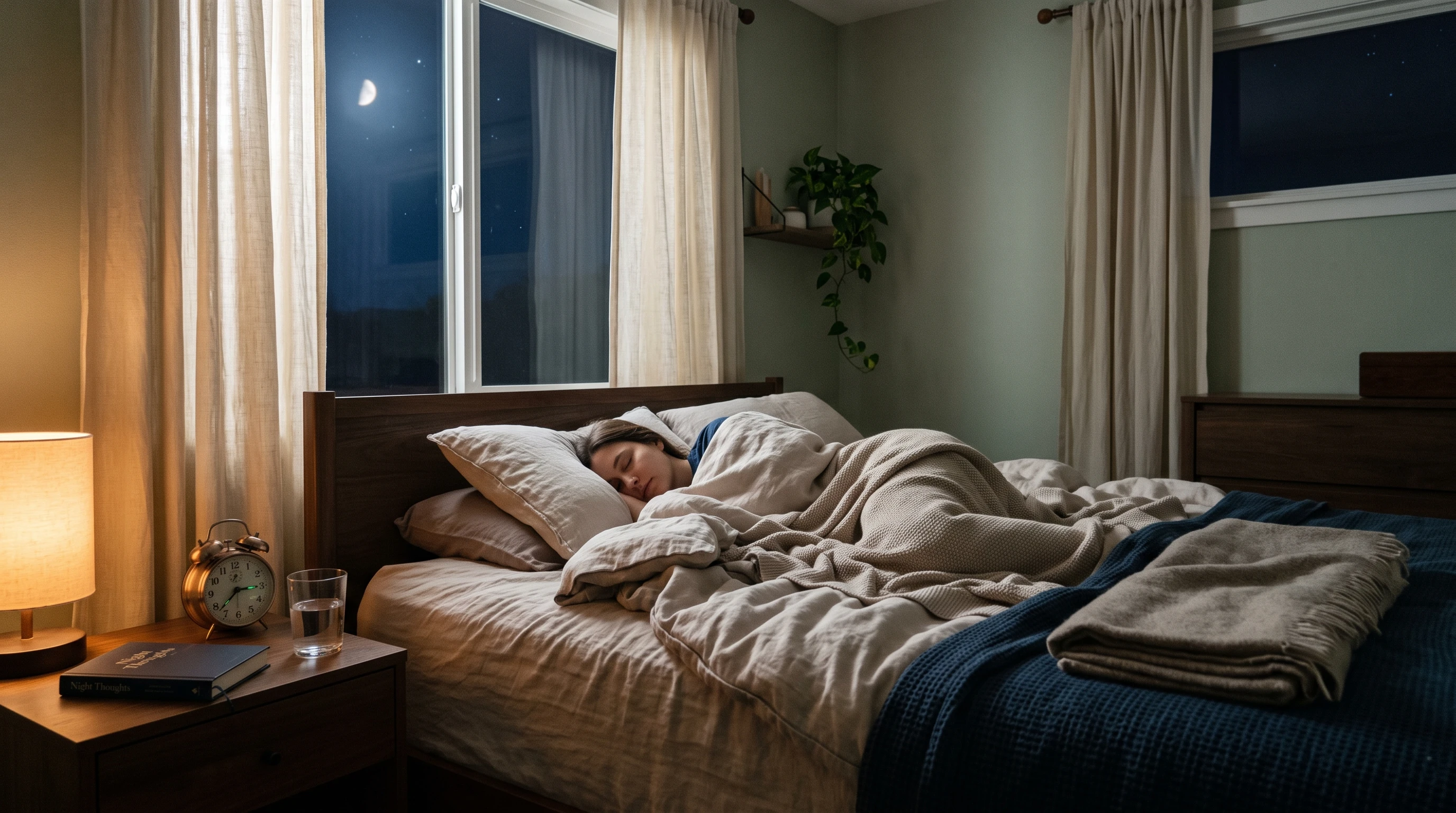
Why Do Menopausal Women Wake Up at 3am?
This sleep disruption tends to show up during menopause for a few pretty popular reasons. It usually isn’t just one thing going on – it’s more like a mix of hormone changes, stress, and even everyday habits that come together and leave your sleep all over the place.
Hormone changes really make a difference. As both estrogen and progesterone levels drop (especially progesterone, which supports restful, deep sleep), the rhythm of your sleep can get totally thrown off. Lower estrogen also brings more nighttime hot flashes, sometimes called night sweats, which wake so many of us up out of nowhere. When your body heat suddenly rises and you get sweaty, staying asleep gets tough no matter how tired you are.
It’s worth mentioning stress hormones too. Cortisol, the famous “awake hormone,” naturally ticks upward in the very early morning. But in menopause, hormonal changes and daily stress can cause cortisol to spike even sooner than usual. That’s why 2am or 3am is prime time for suddenly finding yourself wide awake – your body thinks it’s time to start the day, thanks to that jump in cortisol.
There’s also the matter of bladder changes, muscle relaxation, and lighter sleep cycles as we age. Needing to pee can wake you up early, and even the smallest thing – a partner moving, a pet walking around, or a streetlight shining in – can jolt you awake when your sleep is already on the shaky side due to hormones.
The Science Behind Sleep and Hormones
Estrogen and progesterone are about more than periods and hot flashes; both play direct roles in relaxing the brain and keeping your body’s natural sleep rhythms on track. When these hormones become unpredictable, especially during perimenopause and menopause, your sleep turns lighter and more easily interrupted. The restorative REM sleep (the kind where you dream and your body repairs itself) gets fragmented, making you much more likely to wake up, sometimes over and over.
Your body’s internal thermostat is affected too. With less estrogen, your ability to regulate temperature at night gets thrown off. Those sudden spikes in heat (or the chills when the body tries to cool down quickly) can be all it takes to jolt you from slumber, even if you’re careful about using lightweight bedding and keeping the bedroom cool.
Beyond hormones, age itself often means lighter, shorter sleep periods, with longer stretches spent in shallow sleep – and that’s precisely when outside noises, lights, or tiny tweaks in comfort can wake you right up.
Natural Approaches for Better Sleep During Menopause
Tossing and turning every night can feel like an endless trap. But natural methods really can make a difference, especially if you’re willing to experiment a bit to see what works for you. While there’s no guarantee of perfect sleep, these suggestions have helped many women, myself included.
- Keep your bedroom cool: Lower the room temperature or put a fan in your space. This tones down hot flashes and night sweats. The sweet spot is about 65°F (18°C).
- Skip screens an hour before bed: The glow from your phone or TV holds back melatonin production, the hormone that gets you to sleep. If you must use your phone, try a blue-light filter setting.
- Create a calming routine: Do some gentle stretching, soak in a warm bath, or read a few pages of a book. Herbal teas like chamomile or valerian set the mood for sleep – just make sure you skip anything caffeinated past lunch.
- Practice mindful breathing or meditation: Anxiety and rumination often play a role in those 3am wake-up calls. Calming your mind with slow breathing, gentle body scans, or guided audio right before bed can work wonders for your nervous system.
- Limit late eating and drinking: Big meals or spicy food in the evening can trigger body heat, and too much water means more likelihood of waking up to use the bathroom.
It can also be worth adding magnesium-rich foods (like leafy greens, nuts, or seeds) or a magnesium supplement. Just be sure to talk to your healthcare provider before starting anything new, especially supplements.
Create a Simple Nighttime Routine
Making even a small change to your nightly pattern can set the tone for deeper, easier sleep, even during menopause. You don’t need to completely switch up your evenings to see benefits – just a few consistent habits can make a real impact over time.
- Set a wind-down reminder: Use an alarm or phone notification to gently remind yourself an hour before bed that it’s time to chill out, step away from screens, and begin getting ready for sleep.
- Relax your mind and body: Try herbal tea, calming tunes, journaling, or simple stretches. Anything that helps you leave the stress of the day behind will set you up for rest.
- Keep your sleeping area cool and dark: Use blackout curtains, eye masks, or even earplugs to make sure light or noise doesn’t mess with your sleep.
- Have a plan for waking up at 3am: If you do wake up, avoid turning on bright lights or checking your phone. Sip some water, take a few calming breaths, or do a quick stretch. Remind yourself that it’s okay to just rest – even if you’re not immediately asleep.
- Stick to a steady schedule: Going to bed and getting up at the same time helps your body’s sleep rhythm become more reliable, even when hormones are unpredictable.
If middle-of-the-night anxiety is a major player for you, keep a small journal on your nightstand. Jotting down those worries is a smart way to quiet your mind and get yourself drifting back to sleep.
Other Helpful Tips for Menopausal Sleep Problems
- Exercise often: Even a brisk walk for 20-30 minutes several times a week can tone down stress hormones and lead to deeper sleep at night. Try to finish tough workouts earlier in the day so you’re not too energized to rest.
- Keep naps short: Naps that last more than 20-30 minutes can make it harder to get good nighttime sleep. If you need to, aim for brief power naps only.
- Ask your doctor: If sleep issues are seriously interfering with your days, consult a healthcare provider to rule out sleep apnea, thyroid problems, or depression – all of which can interrupt sleep and respond well to treatment.
Menopause is a big mix up for your body, and it’s truly different for every woman. There’s no instant cure, but by tuning into what your body needs and making even small changes, you can give yourself a real chance at better rest – and more energy for every day.
Looking for More Natural Menopause Tips?
If you’re after even more practical solutions for getting through menopause naturally, check out my top recommended book: Menopause, Naturally by Tene Rush. You can find it on Amazon here. There’s a ton in there on sleep struggles along with other ways to make menopause work for you. It’s worth a look if you want more ideas that fit easily into your life.