Simple Meal Ideas That Support Your Microbiome Health
When I started learning about gut health, I realized a lot of the foods I loved, or sometimes stayed away from, had a real impact on how I felt every single day. Meals that boost your gut microbiome don’t need to be gourmet or complicated. I rely on a few easy recipes that taste great and pack in ingredients known for supporting a healthy balance of gut bacteria. In this article, we’ll check out practical ways you can build microbiome friendly habits into your cooking routine without a fuss.
What Makes a Meal Good for Your Microbiome?
- High in fiber and prebiotics. Fruits, veggies, beans, and whole grains are naturally rich in the kinds of fiber your gut bugs love.
- Naturally fermented ingredients. Foods like yogurt, kefir, and kimchi deliver live cultures that can add diversity to your gut.
- Low in processed additives. Simple meals without lots of added sugar or preservatives seem to let the good gut bacteria thrive better.
Picture your microbiome as a vibrant community. What you eat sets the stage for which bacteria thrive. By focusing on these meal features, you’re actually giving a boost to your health from the inside out. Even if you’re just getting started, small changes make a big difference over time.
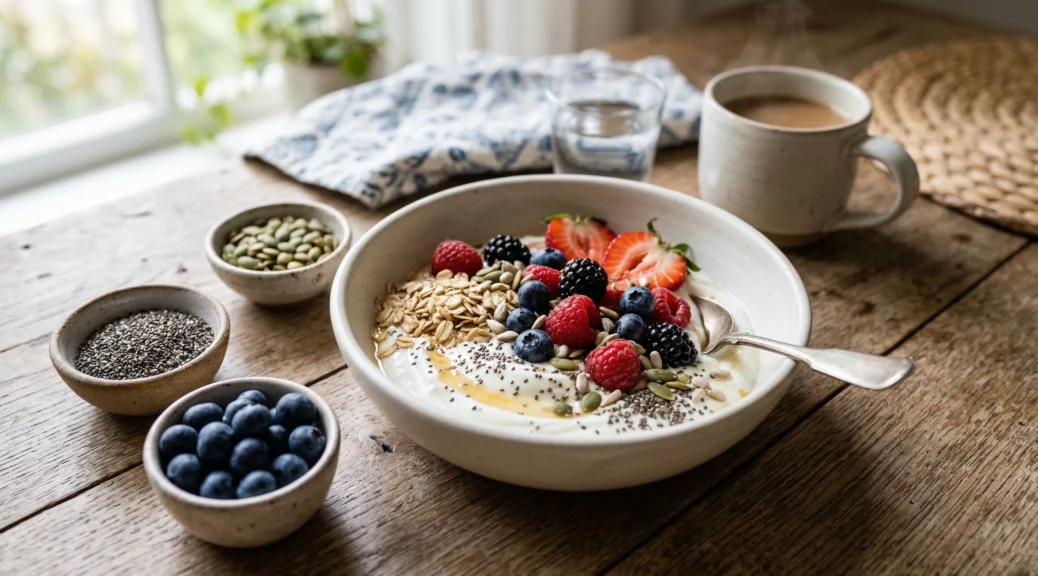
Recipe 1: Probiotic Yogurt & Berry Breakfast Bowl
Yogurt bowls have become my goto breakfast, especially when I want something that’s easy, filling, and good for my gut health. Here’s how I build mine:
Ingredients
- 3/4 cup plain Greek yogurt or plantbased yogurt with live cultures
- 1/2 cup mixed fresh berries (blueberries, raspberries, strawberries)
- 2 tablespoons old fashioned rolled oats
- 1 tablespoon raw pumpkin seeds or sunflower seeds
- 1 teaspoon chia seeds
- Drizzle of honey (totally optional)
How to Prepare
- Spoon yogurt into a bowl.
- Top with berries, oats, seeds, and chia.
- Add a drizzle of honey if you like a bit of sweetness.
This bowl gives you probiotics from the yogurt along with prebiotic fiber from fruit and seeds. You can swap in different seasonal fruits or add a sprinkle of cinnamon for extra flavor. Sometimes I even layer in diced apples or pomegranate seeds, both of which pack more fiber and a pleasant crunch.
Recipe 2: Fiber packed Chickpea & Veggie Salad Jars
Mason jar salads are pretty handy. I make a few on a Sunday, and my weekday lunch situation is totally sorted. Chickpeas are packed with prebiotic fiber, and variety in veggies helps keep your microbiome happy.
Ingredients
- 1 cup canned chickpeas, rinsed and drained
- 1/2 cup diced red bell pepper
- 1/2 cup chopped cucumber
- 1/4 cup shredded carrots
- 1 tablespoon fresh parsley, chopped
- 2 tablespoons feta cheese (skip if dairy free)
- 2 teaspoons extra virgin olive oil
- 1 teaspoon lemon juice
- Salt and pepper to taste
How to Prepare
- Add the olive oil and lemon juice in a bowl
- Layer in chickpeas, then all your chopped veggies, then feta on top.
- When you’re ready to eat, shake the jar and toss everything together. Season with salt and pepper.
Chickpeas provide prebiotic fiber, and veggies bring a load of colors and textures to the mix. Sometimes I toss in a spoonful of sauerkraut for a probiotic boost and a tangy kick. Occasionally, I’ll add quinoa or cooked farro to make it even heartier while boosting the variety of whole grains. You can really get creative by mixing in cherry tomatoes, radishes, or roasted sweet potatoes to keep things interesting for your gut and your taste buds.
Recipe 3: Quick Kimchi Fried Rice
Korean kimchi is famous for being packed with natural probiotics. I probably eat this meal two or three times a week when I crave a warm, comforting dish that also checks the microbiome box.
Ingredients
- 1 cup cooked brown rice (leftovers work best for fried rice)
- 1/3 cup chopped kimchi (look for unpasteurized types in the refrigerated section)
- 1/2 cup chopped spinach or kale
- 1 egg or tofu scramble, for protein
- 1 teaspoon toasted sesame oil
- 1 green onion, sliced
- 1 teaspoon low sodium soy sauce or tamari
How to Prepare
- Heat sesame oil in a skillet over medium heat.
- Add the green onion and quickly sauté for 1 minute.
- Add rice and chopped greens. Stir fry until warmed through.
- Push everything to one side, crack in the egg or add tofu, and scramble until cooked.
- Stir in kimchi, finish with soy sauce or tamari, and fry for another minute. Serve hot.
If you love extra heat, add a sprinkle of chili flakes or a dollop of gochujang (red chili paste). This recipe combines the benefits of whole grains, leafy greens, and fermented kimchi for a satisfying bowl that’s perfect for lunch or a simple dinner. Make it vegan by skipping the egg and boosting the tofu; you can even toss in edamame or peas for an added protein kick.
Extra Tips for Microbiome friendly Meals
- Mix up your plant foods. Aim for 20 or more different types every week. Your gut loves variety, and the wider the range, the better for your microbiome.
- Try fermented foods like kefir, sauerkraut, or miso as toppings and sides. Even a tablespoon or two can make a difference over time.
- Choose whole grains instead of white rice or bread whenever you get the chance. It’s a super simple swap that adds more fiber and keeps your gut bacteria fueled.
- Don’t forget herbs and spices! Fresh mint, parsley, cumin, and ginger not only have microbiomefriendly benefits but also add loads of flavor to your meals and snacks.
A little effort goes a long way when planning meals with your microbiome in mind. Explore different cuisines—think Mediterranean, Middle Eastern, and Asian—which often rely on beans, grains, and fermented ingredients that your gut bacteria appreciate.
Common Questions About Microbiome Meals
Can I prep these meals ahead?
Absolutely. The salad jars and breakfast bowls hold up well for two or three days in the fridge. For the fried rice, I like making extra to eat the next day for a quick lunch.
Is it okay to use frozen fruits and vegetables?
Definitely. Frozen produce is super convenient, and most of the nutrients stay locked in. I use frozen blueberries and chopped spinach all the time, especially when fresh produce isn’t in season.
Do I need fancy supplements for my microbiome?
Food is usually the best first step. A healthy, colorful, fiber rich plate will go a long way before you even think about any supplements. If you have tummy troubles or questions, it’s always worth checking in with your healthcare provider for advice.
I’d love to hear what simple, gut friendly meals you’re making. Drop your favorite combos in the comments or try these recipes and let me know how they worked out for you. A happy gut makes for a happy life, so keep having fun in the kitchen and keep those microbes thriving!