10 Signs Your Gut Health Needs Attention – And Simple Natural Ways to Restore Balance
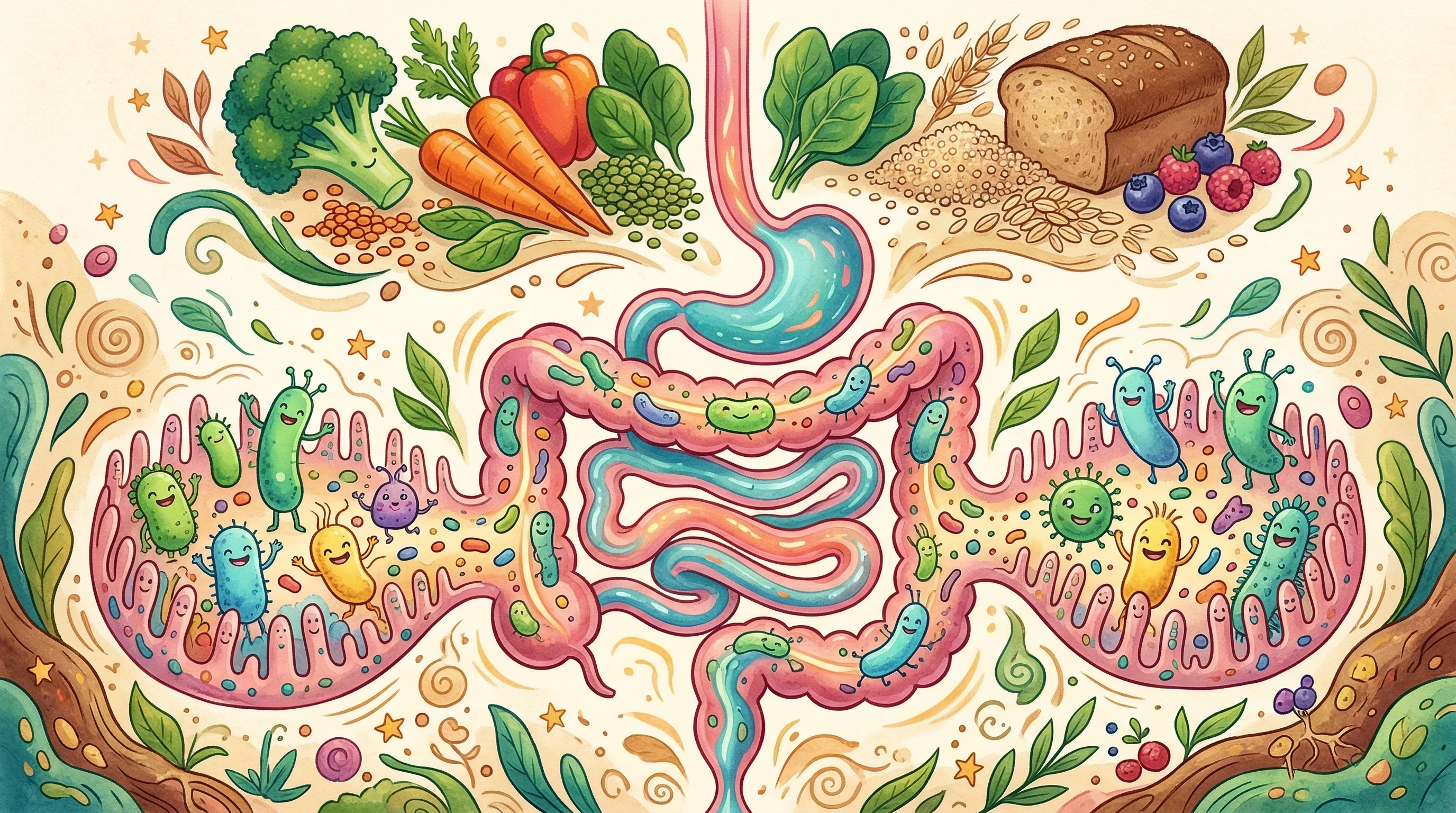
A healthy gut makes a huge difference for how you feel every day. When things go off track, your stomach, mood, and even your immune system start acting funny. Gut problems can be sneaky, so catching the early signs helps you get back on track fast.
If you notice changes in your digestion, bowel habits, or even your energy levels, this could be your body’s way of asking for gut health support. There are some obvious signs, but also a few you probably wouldn’t expect. Some people are surprised how many symptoms can connect back to the gut.
Here are the 10 signs your gut health needs attention. If any of these sound familiar, it might be worth trying simple changes, like adding more fiber, drinking more water, or grabbing a helpful resource such as the book Simple Solutions for Constipation and Hemorrhoid Relief on Amazon.
1. Hard, Pelletlike Stools
Dry, hard, or pellet-shaped stools are a pretty clear sign your digestive system isn’t happy.
This usually points to constipation, which can mean your gut bacteria and hydration levels are out of balance or you’re not getting enough fiber. When things slow down, stools get more compact and tough to pass. You might also feel bloated or even sluggish when this happens.
What Helps:
- Drink more fluids regularly
- Add high fiber foods like oats, fruit, and beans
- Move around more; gentle walks work wonders
2. Constant Straining During Movements
Feeling like you need to push hard every time you go to the bathroom gets old fast. It can leave you tired, sore, and even worried.
This often means your stool is too dry or large, or your muscles aren’t moving things along as they should. Over time, straining can lead to hemorrhoids and other issues. Paying attention to this early spares a lot of discomfort down the road.
What Helps:
- Don’t ignore the urge to go
- Squatting or using a footstool can help you position your body better
3. “Stealthy Ninja” Gas Issues
Random gas sneaking up during the day – sometimes catching you by surprise in public – usually points to an unhappy gut.
Everyone passes gas, but if you find it really frequent, extra smelly, or noisy, your bacteria might be fermenting more food than they should. This can happen if you’re not fully digesting your fiber, dairy, or certain veggies, or if you’ve recently changed your diet.
What Helps:
- Keep a quick food diary to track down triggers
- Eat slowly and chew more to help digestion
It’s normal for gut bacteria to make some gas, but a sudden increase means your gut microbiome may be out of balance, or your digestive tract is irritated. You can also look into probiotics or adjust your fiber intake for added support.
4. Persistent Rectal Heaviness
A feeling of fullness, pressure, or heaviness in your rectum doesn’t just make sitting uncomfortable; it can be a sign you’re not emptying your bowels completely or there’s swelling from hemorrhoids or inflammation.
This sign usually sticks around when constipation is ongoing. It can get distracting and even impact your energy and focus during the day.
What Helps:
- Eat regular meals to keep digestion moving
- Don’t put off bathroom trips; delaying can make things worse
The book I mentioned earlier on Amazon covers ways to relieve rectal heaviness and return things to normal, including gentle self-care tips and dietary tweaks.
5. The “Nada” Experience
If you’re trying to go and nothing’s happening – not even a little – for a day or more, that’s a pretty strong hint your gut health needs some love.
This kind of pause can result from stress, low fiber, or changes in routine (hello, travel constipation). For some people, medications can also slow things down. This is the time to respond early before things get uncomfortable or painful. Pay attention if this pattern happens more than just once in a while.
What Helps:
- Stay hydrated; water is super important
- Aim for small, regular meals instead of skipping eating
If this keeps happening, check in with a health-care pro.
6. Busy Bee Syndrome (Ignoring the Urge)
When you’re super busy, it’s easy to put off going to the bathroom for “later.” Doing this repeatedly tells your gut to ignore signals, which can slow everything down and eventually make constipation a habit.
Listening to your body keeps your natural rhythm going. Ignoring it just adds up to trouble for later.
What Helps:
- Go when you feel the urge – even if you have to pause what you’re doing
- Set gentle reminders or routine bathroom breaks if your schedule is packed
Building healthier bathroom habits is another practical step covered in ‘Simple Solutions for Constipation and Hemorrhoid Relief.’ Even small changes can make a noticeable difference in regularity and comfort.
7. Anal Itching or Pain
Pain, itching, or burning after a bowel movement often points to irritation from straining, hemorrhoids, or even small tears (called fissures).
This can also be a sign you’re wiping too much or using harsh, scented toilet paper. Over time, repeated discomfort tells you your gut and rectal tissues could use a little extra care – and can also impact your mood and daily activities.
What Helps:
- Use soft, unscented toilet paper and pat instead of rubbing
- Try a warm water rinse if possible
- Fiber can help make things easier to pass, so you’re less likely to get sore
8. Bloating After Every Meal
Eating and then feeling instantly puffedup is a classic sign your digestion isn’t happy. Occasional bloating is normal, but when it happens a lot, your gut bacteria might be off, or your body is struggling to break down certain foods.
Bloating often means there’s too much fermentation or not enough friendly bacteria to help break down your meals. Frequent bloating can feel uncomfortable and may make you self-conscious.
What Helps:
- Eat slowly and chew carefully
- Try cutting out big triggers like beans or carbonated drinks to see if it helps
- Consider digestive enzymes or probiotics for extra support
9. Lumpy, Saugage shaped Stools
Passing stools that look lumpy or saugage-shaped usually points to mild constipation. This often means your gut is slowing down or you’re a little dehydrated, and it may feel harder to clean up afterwards.
Ideally, stools should be smooth, soft, and easy to pass. Think ripe banana rather than a dry, bumpy log. Noticing these changes early helps you make gentle adjustments before discomfort sets in.
What Helps:
- Add variety to your fiber sources (whole grains, fruits, veggies)
- Drink a glass of water when you wake up to kick things into gear
If you see this change without explanation, it’s worth making small, consistent changes.
10. Irregularity and Dehydration Signs
Going days without a bowel movement, followed by a tough or painful one, signals your gut is struggling to stay on schedule. Your stool might look dry, dark, or super hard – a pretty good clue you’re not staying hydrated enough.
You might also feel tired, have headaches, or notice your urine’s darker than normal; these are common signs you need to drink more water. Regular hydration not only helps your gut but also supports your energy and mood.
What Helps:
- Drink water throughout the day, not just at meals
- Pay attention to small signals of thirst or headaches
Giving Your Gut a Little Extra Attention
The gut really does talk to you – sometimes in a whisper, sometimes with a shout. Small changes like eating better, staying hydrated, and listening to your body go a long way to help things stay regular and comfortable. Good gut habits also give a boost to your immune system and overall well-being.
If you’re noticing any of these 10 signs, don’t ignore your gut. Try some of the tips above or check out Simple Solutions for Constipation and Hemorrhoid Relief for a bunch of practical, easy-to-follow fixes that could make a real difference. Making gut health a priority now sets you up for better energy, comfort, and health in the long run.